Streetwear Resale Market vs Retail Market
Introduction to Streetwear Markets
Understanding Streetwear Culture
Streetwear is more than just a fashion trend; it's a cultural movement deeply rooted in the worlds of hip-hop and skateboarding. Emerging in the 1970s and coming full circle through influential figures like Shawn Stussy and brands like Supreme, streetwear has thrived on its ability to blend exclusivity with the everyday. This intersection has allowed street fashion to transcend simple apparel, becoming a staple of self-expression, particularly among youth and urban communities. To delve deeper into this culture, check this insightful Hypebeast article.
What is the Streetwear Resale Market?
The streetwear resale market represents the secondary stage of consumer goods sales, where previously purchased items, often limited editions or exclusive drops, are resold. Distinguished by its dynamic pricing strategy, this market thrives on scarcity and consumer demand fluctuations. Unlike traditional retail markets, which rely on set pricing and regulated inventories, the resale market adjusts prices based on perceived value and brand desirability.
Streetwear Resale vs Retail: An Overview
Difference Between Streetwear Resale and Retail Market
The retail market traditionally offers new products at fixed prices, fostering consumer trust and brand reliability. In contrast, the resale market capitalizes on rarity, with prices often exceeding initial retail values by 50-100% (Source: Complex). Retail offers an immersive brand experience, while resale offers a chance to own elusive items. This distinction creates diverse consumer paths and influences brand-consumer relationships.
Economic Impact of Streetwear Resale
According to the Business of Fashion, the streetwear resale industry is projected to grow by 12% annually through 2025, bolstering its economic significance. In 2019, secondary market transactions amassed $2 billion (Source: Traxia). This expansion affects GDP and the global fashion economy, introducing innovative e-commerce platforms and job opportunities within logistics and supply chain management.
Consumer Behavior: Retail vs Resale
How Consumer Behavior Influences Streetwear Markets
Streetwear consumer behavior is driven by psychological factors such as identity, status, and brand loyalty. The allure of exclusive streetwear pieces often triggers impulse buying, but resale markets encourage strategic purchasing to capitalize on future value increases. The scarcity principle and the flashiness of brands like Yeezy and Supreme lure consumers into the resale space, where heightened prices are justified by perceived rarity.
Why is Streetwear Popular in the Resale Market?
The streetwear resale market thrives on the scarcity of high-demand items and appeals directly to the sneakerhead culture, which constitutes 40% of the resale transactions (Source: Cowen & Co). Products that are hard to secure at retail due to limited releases find new life in the resale market, where exclusivity increases their desirability.
Market Trends and Strategies
Streetwear Market Trends: Current and Emerging
Sustainability is gaining traction in streetwear, with consumers increasingly demanding ethical production practices. Luxury streetwear is also rising, with high-end brands incorporating streetwear elements into their collections, adding a sophisticated edge to casual wear. This blend is pivotal as brands innovate to capture the spending power of the under-25 demographic, which represents 70% of streetwear purchasers (Source: Hypebeast).
Streetwear Brand Strategies in Resale and Retail
Brands are innovating in branding strategies by collaborating with artists and influencers, enhancing market outreach. These collaborations often lead to exclusive product lines that drive up resale values and maintain market interest. For example, Nike's collaborations with Travis Scott and Off-White radically lifted brand excitement and pricing dynamics.
Influences on Market Dynamics
The Role of Influencers in Streetwear Markets
Influencers wield significant power shaping streetwear markets through social media platforms, reaching vast audiences and elevating brand status. Through sponsored posts and collaborations, influencers like Virgil Abloh and ASAP Rocky have driven product sales, turning limited collections into legendary essentials. An insightful case study on this can be found on StockX.
How Do Collaborations Affect Streetwear Values?
Collaborations, such as those between Adidas and Pharrell Williams, amplify brand prestige and resale value due to limited availability and increased consumer demand. These partnerships create unique narratives that blend brand methodologies and aesthetics, effectively becoming cultural benchmarks that raise the stakes in both resale and retail landscapes.
Platforms and Accessibility
Top Streetwear Resale Platforms
Platforms like StockX, GOAT, and Grailed dominate the resale market by providing a real-time, bid-based shopping system ensuring authenticity and competitive pricing. The user trust linked with these platforms, which saw eBay report a 50% increase in sneaker sales during 2020 (Source: eBay), hinges on authentication processes and facilitated user experiences.
Streetwear Retail Store Advantages
Retail shops offer direct-to-consumer benefits, including tactile engagement and instant gratification. In-store experiences elevate streetwear's physical allure through exclusive events, personalized services, and immediate feedback loops, reinforcing brand loyalty and tangible brand communication.
Supply and Demand in Streetwear Markets
Supply and Demand Streetwear Dynamics
Inventory management is crucial, as fluctuating consumer demands heavily influence market dynamics. Retail focuses on consistent supply aligned with forecasting models, whereas resale depends on consumer scarcity cycles—driving up resale prices whenever streetwear markets experience supply shortages.
How Do Streetwear Trends Influence Market Price?
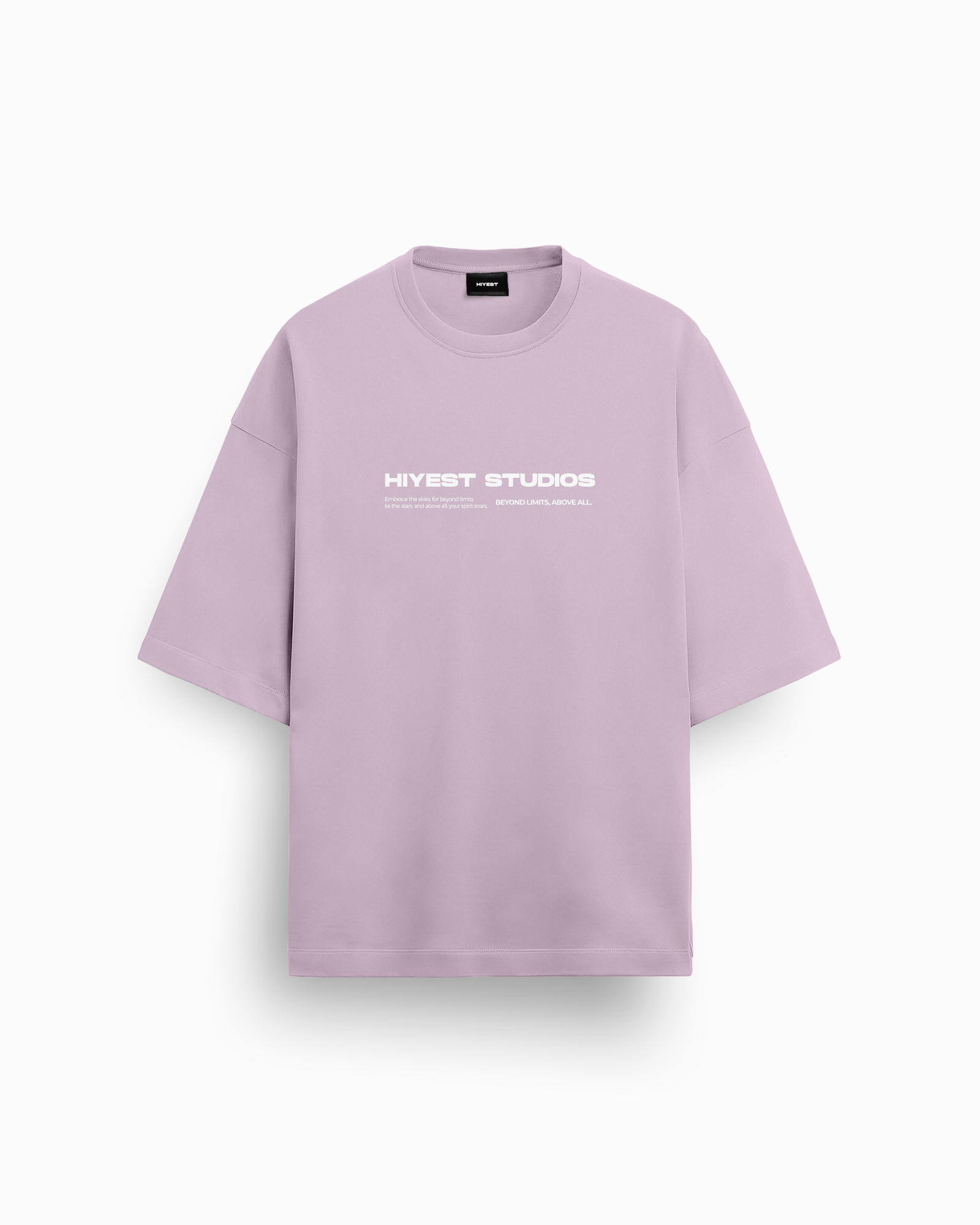
Streetwear trends significantly affect market prices, fueled by media exposure and influencer endorsements. Trends like oversized fits and tie-dye prints can cause immediate spikes in valuation during their peak seasons, highlighting the symbiosis between fashion seasons and market pricing dynamics.
Risks and Challenges
What Are the Risks Involved in Streetwear Resale?
Risks in the resale market include counterfeit goods and fluctuating market values that affect investment security. Quality control is essential, as platforms intensify their fraud detection measures to protect consumer trust. The ever-changing valuation landscape poses financial risks, emphasizing the importance of research and strategic buying.
Retail Market Competition with Streetwear Resale
Competition between the retail and resale markets continues as brands implement measures to maintain sales, such as strategically launching limited editions and engaging in resale partnerships. Finding balance is key, with some brands incorporating resale into direct offerings to reclaim market shares.
Economic Contribution and Investment
Streetwear Investment: Opportunities and Pitfalls
Streetwear investments can be lucrative, with many seeing significant appreciation over time. However, they also bear risks related to valuation volatility. Brands considered reliable investments are those with a history of maintaining popularity and relevance, offering both short-term market gains and long-term asset holdings.
Streetwear Valuation in Resale Markets
Resale value is influenced by item scarcity, brand reputation, and consumer demand. High-value items include Supreme pieces and limited sneaker releases, with some reaching astonishing markups of up to 1200% over retail prices (Source: Sneaker News). These valuations are benchmarks for considering streetwear as a compelling financial asset.
Conclusion
Streetwear has firmly established its impact on modern culture and commerce, continually evolving through shifts in technology, consumer trends, and innovative collaborations. As the market grows, consumers and brands must navigate these dynamics thoughtfully to remain influential in this vibrant and competitive arena.
Additional Resources
- Understanding the Economics of Streetwear Resale
- Exploring Streetwear Sustainability Initiatives
- Authenticating Streetwear Purchases: Best Practices
FAQ
What is the future of streetwear fashion?
Streetwear will likely grow with increased focus on sustainability and technology-driven consumer interactions.
Are streetwear pieces a good investment?
Yes, especially limited-edition items and collaborative releases, though they carry investment risks due to market volatility and trends.
Hiyest Links
- Discover our collection of trendy Hoodies
- Shop our Oversized T-Shirts
- Explore our stylish Jackets