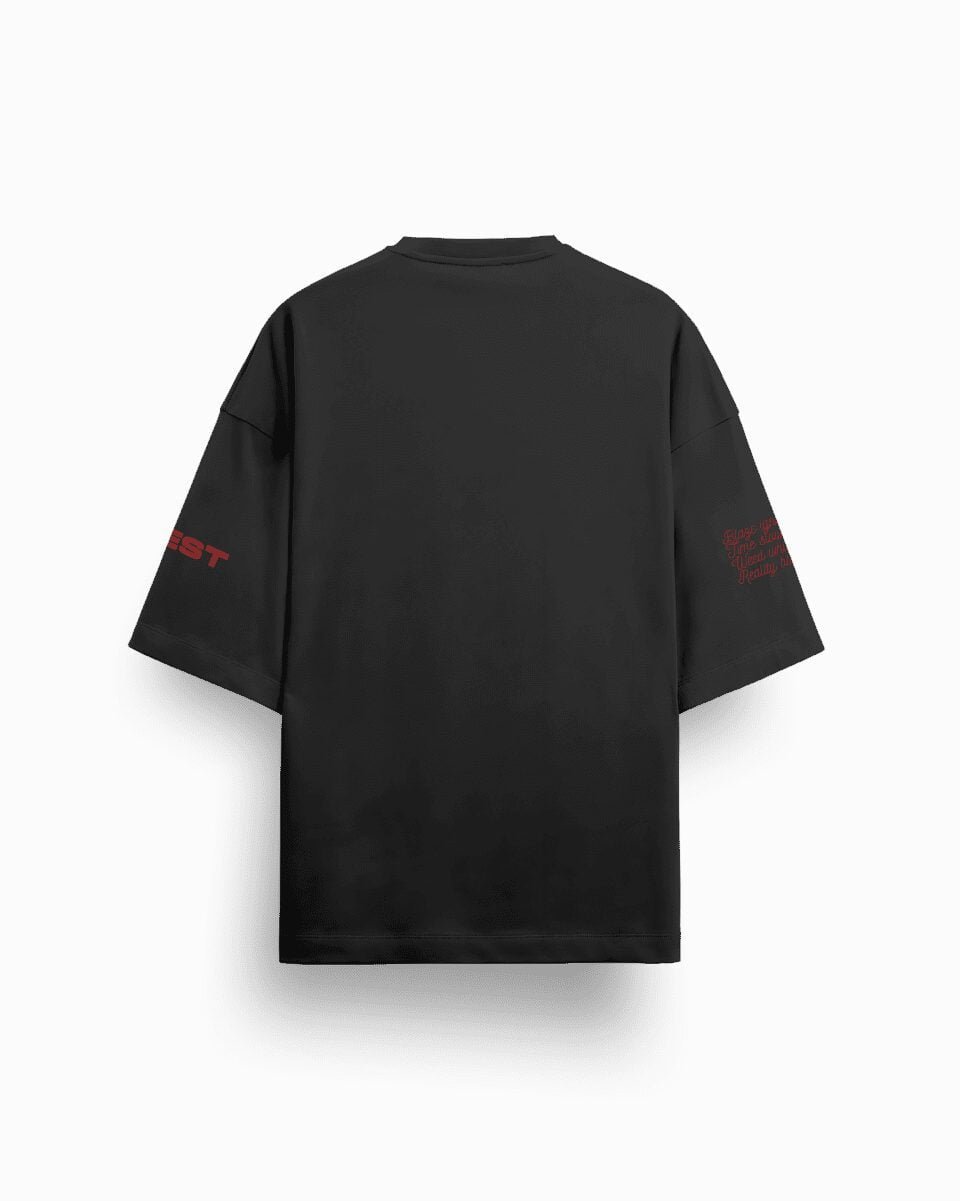
Introduction: Understanding the Streetwear Landscape
In the vibrant and dynamic world of fashion, streetwear emerges as a significant force, commanding the attention of trendsetters and consumers alike. As a distinctive style that blends comfort, culture, and urban flair, streetwear has grown from its grassroots origins into a mainstream phenomenon. At the heart of this conversation is the debate between locally manufactured streetwear and imported alternatives—each with its unique benefits and drawbacks. As we delve into "Local Manufacturing vs Imported Streetwear: Which is the Better Choice for You?", we'll explore the key aspects that influence this choice.
The Dynamics of Streetwear Fashion
What is Streetwear Fashion?
Streetwear fashion embodies the spirit of urban youth culture, with a foundation rooted in casual, comfortable clothing that often carries a message of individuality and rebellion. Its origins trace back to the 1980s, drawing inspiration from the skate and surf cultures of California, the hip-hop movement of New York, and the punk scene in London. Today, streetwear transcends these borders, shaping the look and feel of contemporary casualwear across the globe.
Evolution of Streetwear from Niche to Mainstream
Once a niche interest, streetwear's evolution has witnessed collaborations with high-fashion labels, the rise of limited-edition drops, and an explosion in influencer-based marketing. With global sales projected to exceed $50 billion by 2025 (source: Business of Fashion), streetwear’s impact on the fashion industry is undeniable. This mainstream acceptance paves the way for both local manufacturers and international brands to find their place in this vibrant market.
Current Trends in Streetwear Fashion
Streetwear is continuously evolving, setting trends that resonate across different demographics. Presently, sustainability is at the forefront, with eco-conscious materials and ethical production methods becoming integral to brand identity. Other trends include nostalgic revivals of '80s and '90s styles, gender-neutral clothing lines, and innovative tech wear pieces that incorporate smart textiles.
Local Manufacturing in Streetwear
Benefits of Locally Manufactured Streetwear
Sustainability in Fashion
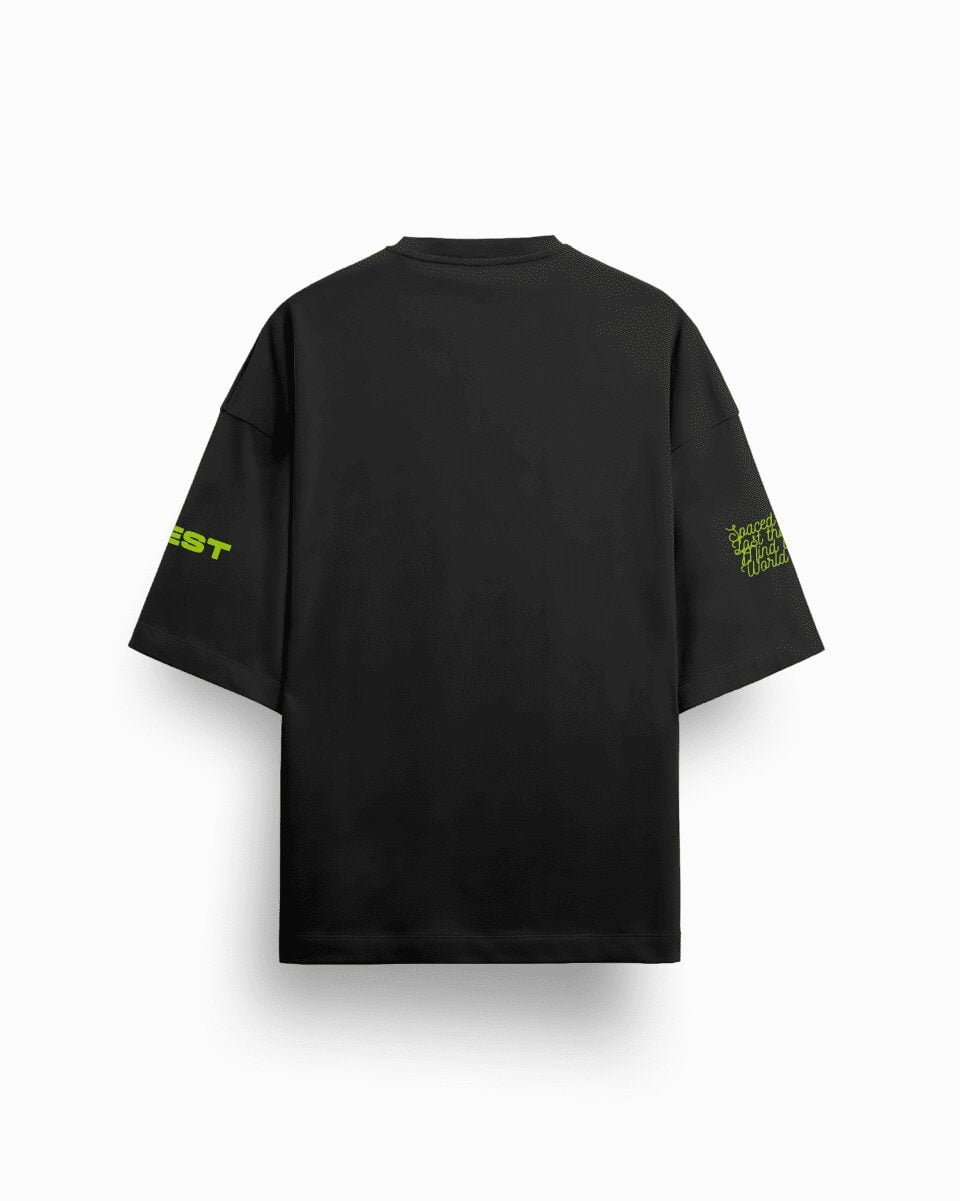
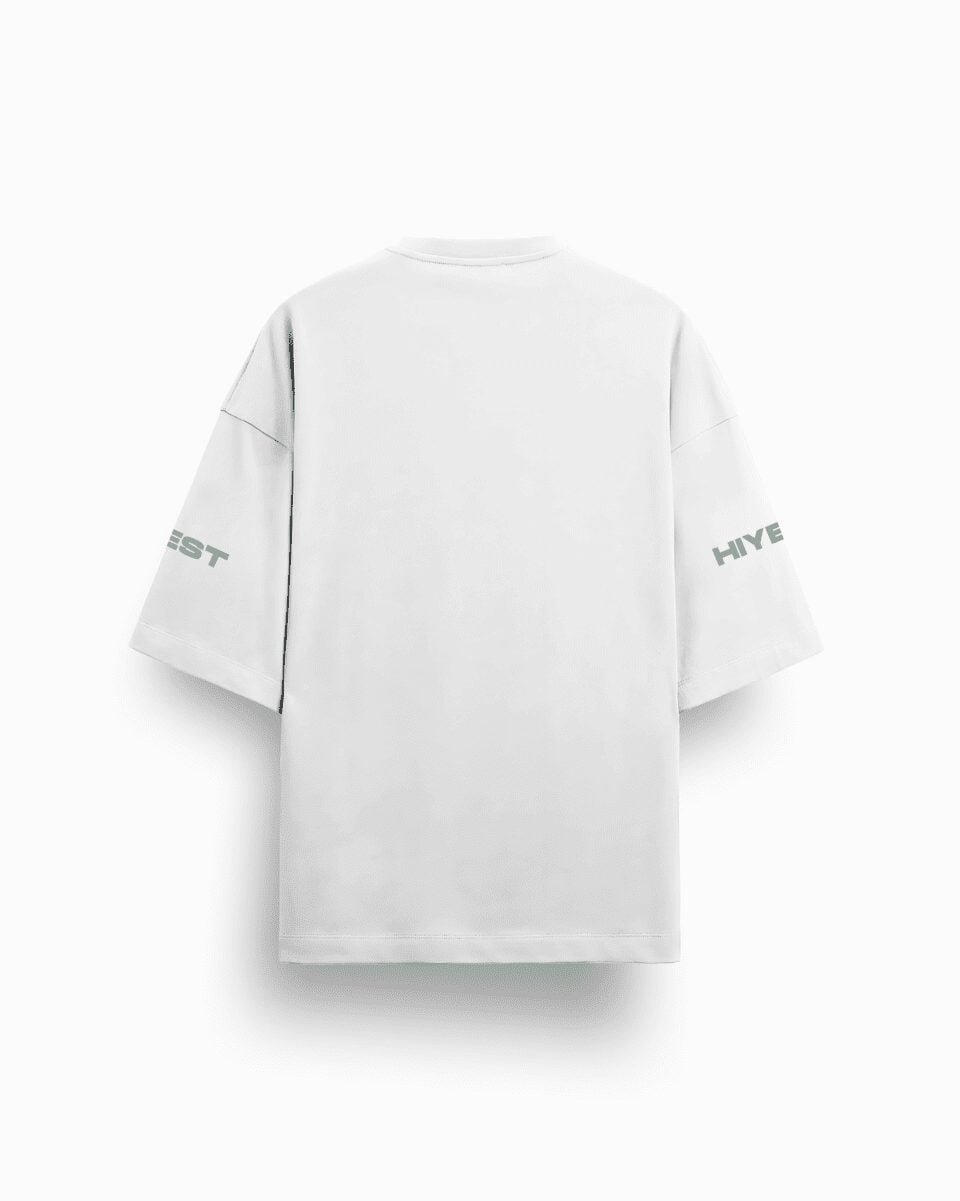
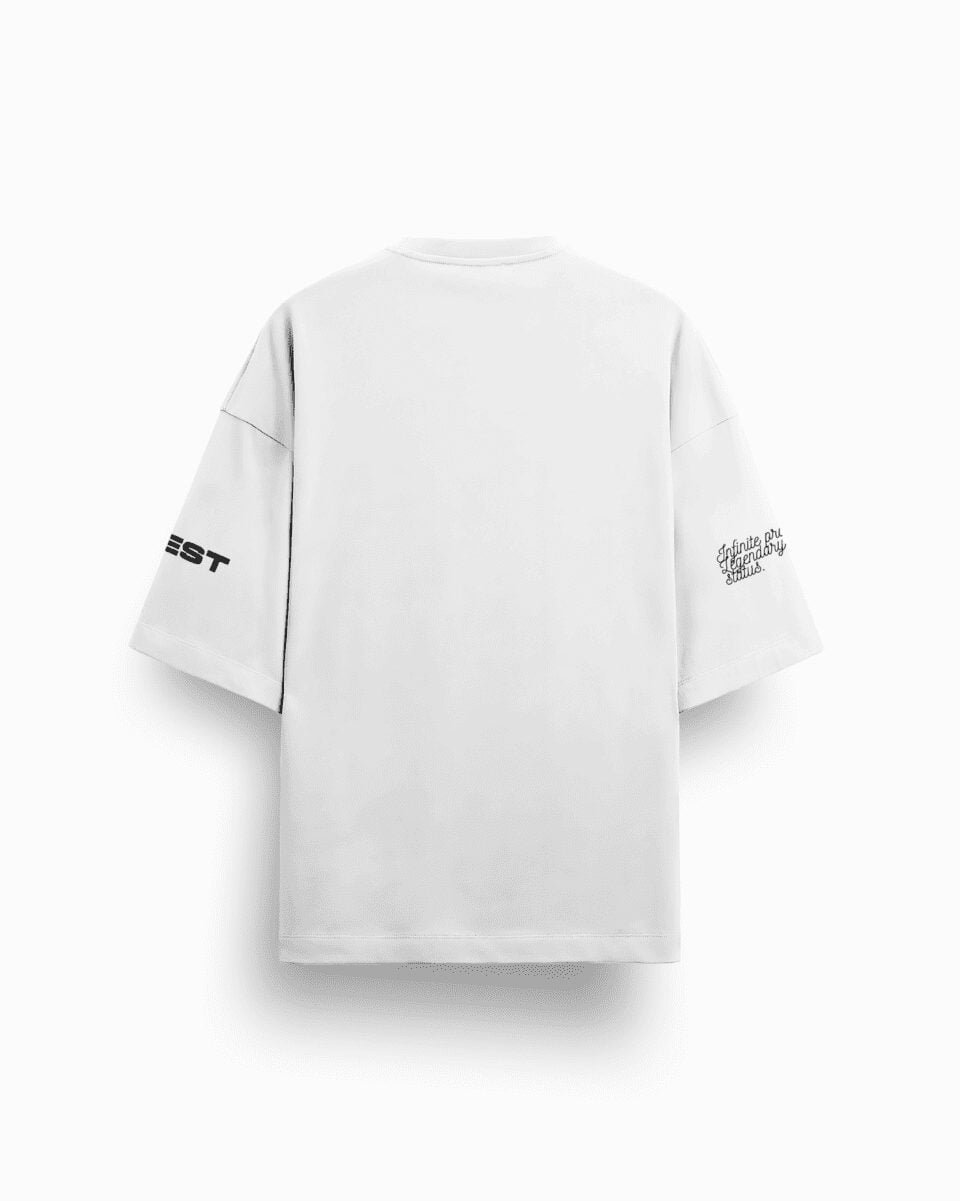
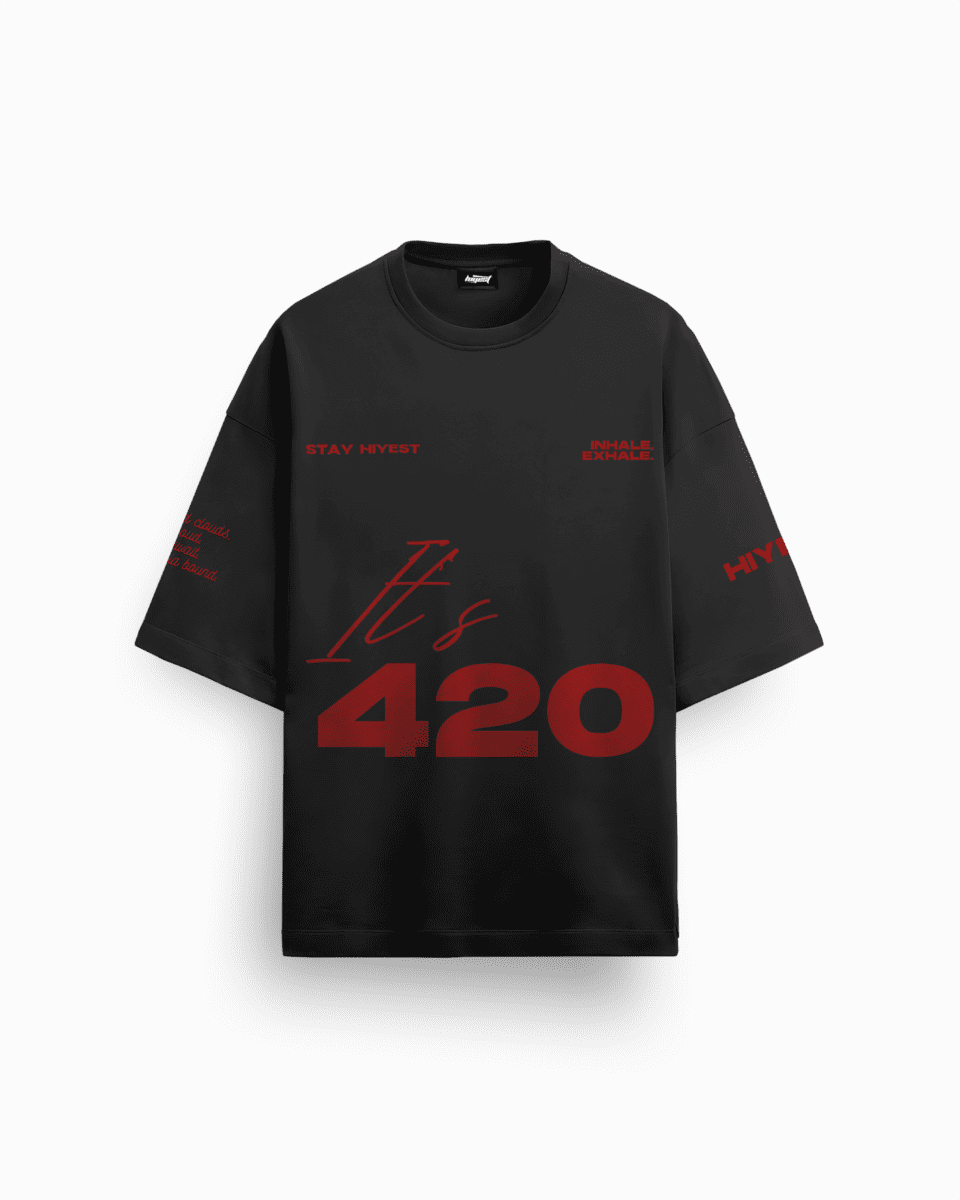
Locally manufactured streetwear is gaining popularity due to its eco-friendly benefits. With studies highlighting that local apparel production can reduce carbon footprints by up to 70% (source: Ethical Consumer), it's clear that choosing local aligns with principles of sustainability. Brands like Hiyest emphasize eco-friendly practices by sourcing local materials and minimizing waste, making them attractive to conscious consumers.
Boosting Local Economies
By supporting local streetwear brands, consumers contribute to job creation and economic growth within their communities. Local manufacturing not only fosters regional talent but also enhances cultural elements within designs, offering pieces that resonate closely with local identities.
Cultural Authenticity
One of the standout benefits of locally manufactured streetwear is the cultural authenticity embedded in its designs. By spotlighting local stories and traditions, these brands offer unique styles that contrast with the often globalized and homogenized designs of imported alternatives.
Challenges of Local Manufacturing
Cost Implications: Is Locally Made Streetwear More Expensive?
While supporting local manufacturing has its benefits, it often comes at a higher price point. Local streetwear brands face higher production costs due to smaller-scale operations and higher wages, which can translate into more expensive products for consumers.
Scalability Issues
Local streetwear brands often struggle with scalability, limiting their ability to produce mass quantities akin to their imported counterparts. This can affect availability, particularly for consumers seeking popular or trending items.
Imported Streetwear: A Global Influence
The Appeal of Imported Streetwear
Variety and Diversity
Imported streetwear offers consumers a wider variety of styles and influences. With access to global fashion trends, these pieces often incorporate a mix of cultures and aesthetics, providing fresh looks that may not be available locally.
Perceived Prestige
International streetwear brands often come with a sense of prestige, driven by celebrity endorsements and iconic cultural associations. This can increase their appeal, offering what is perceived as an exclusive experience that local brands may struggle to match.
Challenges of Imported Streetwear
Ethical Considerations in Streetwear
Imported streetwear can raise ethical concerns related to labor conditions and fair trade. Reports of poor working conditions in some international factories heighten these concerns, making consumers more cautious about where their garments come from.
Environmental Impact of Streetwear
The environmental cost of imported streetwear is substantial, given the carbon emissions related to transportation and distribution. Fast fashion’s contribution to 10% of global greenhouse gas emissions (source: Business of Fashion) underscores the need for more sustainable practices in global manufacturing.
Quality Comparison: Local vs Imported Streetwear
The debate between local and imported streetwear often centers around quality, as seen in the following table:
| Aspect | Locally Manufactured | Imported |
|---|---|---|
| Material Quality | High | Varies |
| Durability | Long-lasting | Inconsistent |
| Design Uniqueness | Culturally unique | Trend-driven |
Locally produced streetwear is typically perceived as more durable and of higher quality, with an emphasis on exclusive designs. Imported streetwear offers varied quality but often focuses on rapidly shifting trends.
Consumer Preferences and Market Demand
What Drives Streetwear Consumer Preferences?
Consumers are often driven by brand loyalty, especially to brands visible through celebrity endorsements and exclusive collaborative releases. The allure of owning unique, limited-edition items also plays a vital role in streetwear’s market appeal.
Streetwear Market Demand
With streetwear accounting for 10% of the global clothing and apparel market (source: Vogue), it’s no surprise that demand is constantly evolving. Global cities like Tokyo, New York, and Los Angeles remain pivotal in setting trends and influencing global demand.
Ethical and Environmental Considerations
Ethical Considerations in Streetwear Production
Labor rights and fair manufacturing practices are at the heart of ethical streetwear production. Brands are increasingly transparent about their supply chains, ensuring fair wages and safe working conditions.
Environmental Impact of Streetwear
Efforts to reduce streetwear’s carbon footprint involve strategies like choosing sustainable materials and minimizing waste. Consumers now prioritize brands that offer transparent sustainability credentials.
Cost Analysis: Local vs Imported
Here's a comparison of costs associated with local and imported streetwear:
| Cost Factor | Local Streetwear | Imported Streetwear |
|---|---|---|
| Production Cost | Higher | Lower |
| Retail Price | Variable | Competitive |
| Logistics | Lower | Higher |
Locally manufactured pieces tend to have higher production costs, whereas imported streetwear benefits from economies of scale, leading to competitive pricing.
Regulations and Standards in Streetwear Manufacturing
Understanding the regulations governing streetwear manufacturing is crucial. Compliance with ethical and sustainable practices is increasingly guided by international standards and certifications, pushing brands toward greater accountability and transparency.
Future of Streetwear: Trends and Predictions
Sustainability Trends in Streetwear
The future of streetwear is intertwined with sustainability trends, including the rise of eco-friendly materials and recyclable fabrics. Brands adopting these practices are poised to lead the market amid growing consumer demand for responsible fashion.
Impact of Technology on Streetwear
Technological advancements are reshaping streetwear, from innovations in fabric technology to digital fashion markets enabling virtual try-ons. This technological integration enhances the shopping experience for tech-savvy consumers.
Key Takeaways and Consumer Guide
Practical Tips for Streetwear Consumers
- Identify quality streetwear by checking fabric, craftsmanship, and brand reputation.
- Opt for sustainably produced items and support brands that prioritize ethical practices.
Local Streetwear Brands to Watch
Consumers should watch for emerging local brands that are making waves with unique designs and sustainable practices, such as Hiyest.
Conclusion: Weighing the Options
Choosing between locally manufactured and imported streetwear involves considering factors like sustainability, quality, cost, and personal values. As consumers, supporting ethical and sustainable choices can drive positive change in the fashion industry.
FAQs
- What are the advantages of locally manufactured streetwear? Local streetwear supports sustainability, boosts local economies, and offers cultural authenticity.
- How does imported streetwear impact local economies? Imported streetwear introduces global trends but can challenge local businesses competing with international brands.
- Are there any regulations for streetwear manufacturing? Yes, various standards address ethical and sustainable fashion practices, guiding brands toward more responsible production methods.